The Essential Overview to Comprehending Screen Printing and Its Versatile Utilizes
Screen printing has an abundant background that dates back to ancient times, developing into an innovative strategy utilized throughout numerous industries today. This guide explores the intricacies of the screen printing process, outlining its applications in home, style, and advertising and marketing style - 10:9 Design Embroidery. Comprehending these principles can open imaginative possibility for both creative and industrial tasks. The complying with sections will expose important pointers and techniques to boost one's screen printing undertakings
The Background of Screen Printing
Screen printing has origins that trace back centuries, its advancement mirrors the technical and artistic developments of various societies. Coming from old China, the technique was initially used for embellishing fabrics and later spread to Japan, where it became important to Ukiyo-e woodblock printing. The technique changed to Europe in the 18th century, where it gained appeal amongst craftsmens and commercial printers. The innovation of picture emulsion in the 20th century revolutionized screen printing, enabling even more elaborate designs and better performance. Musicians like Andy Warhol additionally thrust its popularity, utilizing the medium to develop famous works that mixed commercialism and fine art. By the late 20th century, screen printing had developed itself as a versatile method, employed in vogue, advertising, and art. Today, it proceeds to evolve, integrating digital modern technology and broadening its applications throughout different industries.
The Screen Printing Refine Explained
Screen printing changes imaginative visions into tangible layouts via a collection of accurate actions. A picture is produced and then moved onto a screen, typically made of fine mesh material extended over a structure. A light-sensitive emulsion is put on the screen, which is revealed to light, setting in locations not covered by the image. After washing out the unhardened emulsion, a pattern is created.
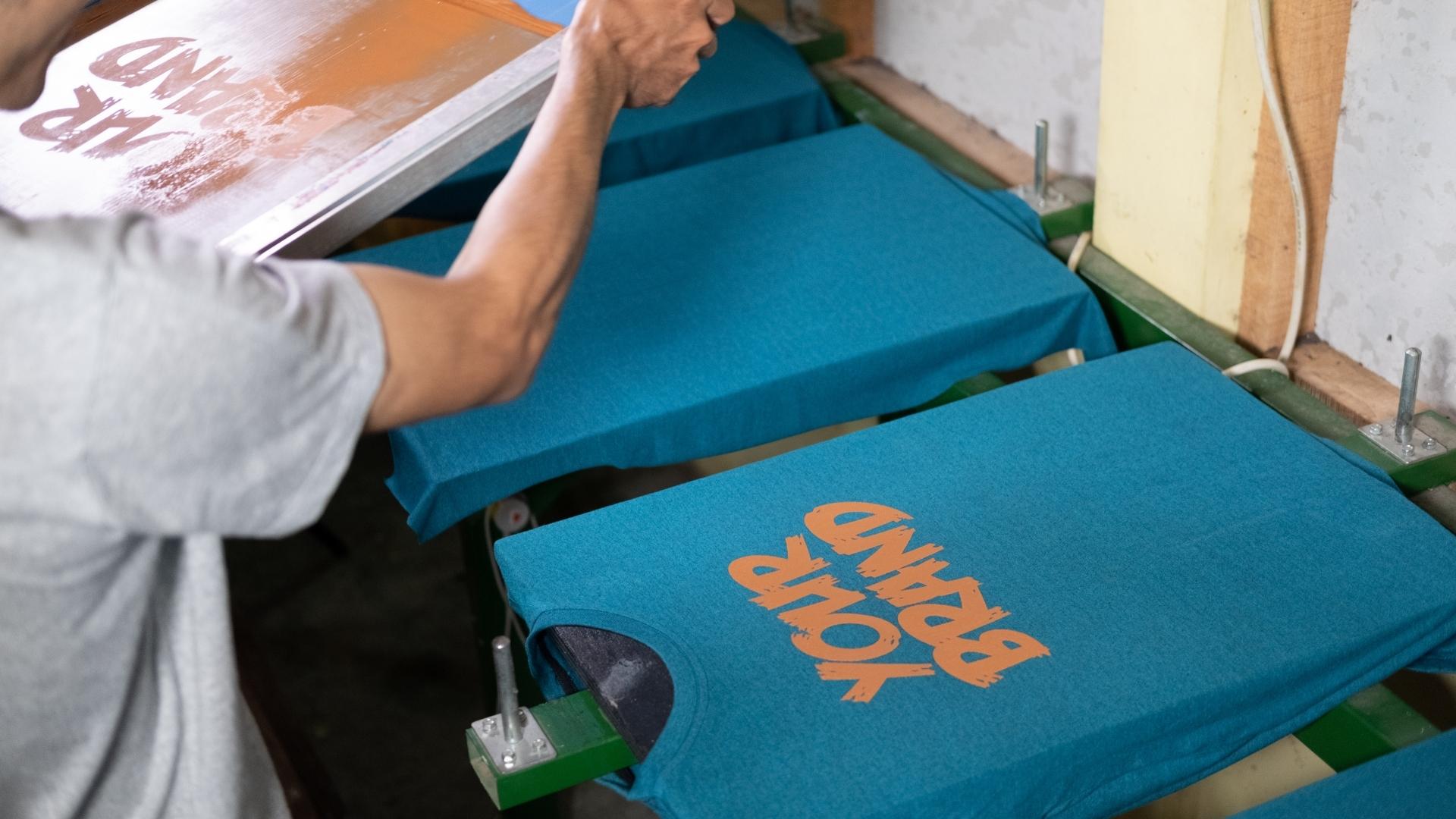
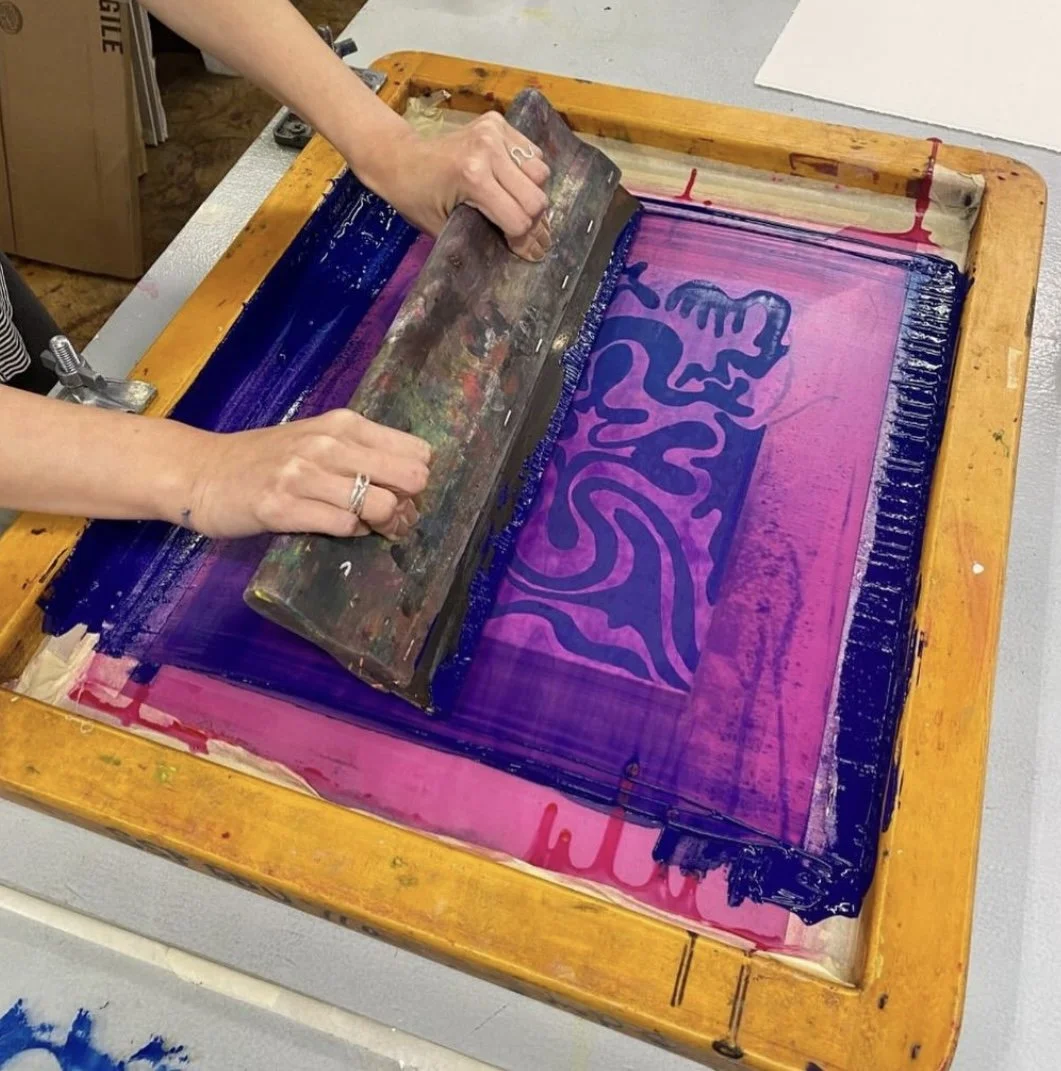
Next off, the screen is placed over the substrate, whether it be textile, paper, or one more product. Ink is after that pressed with the open locations of the stencil making use of a squeegee, depositing the design onto the substratum below. This process can be duplicated for multiple shades, needing different displays for each hue. The printed thing is healed making use of warm to ensure the ink sticks appropriately, resulting in a long lasting, vivid style prepared for use.
Types of Screen Printing Techniques
Furthermore, specialty techniques, such as discharge screen printing, remove dye from the material to create softer prints, while aluminum foil screen printing applies metallic foil to attain a shiny finish (10:9 Design contact). Each technique uses distinct features, dealing with numerous creative demands and manufacturing scales, eventually broadening the possibilities within the screen printing domain
Applications of Screen Printing in Various Industries

Additionally, the signage and advertising and marketing sectors utilize screen printing for developing attractive displays and Discover More banners. This method allows for strong colors and intricate styles that record attention. In electronics, screen printing is used for applying conductive inks to motherboard, important for element connections. The home décor market accepts screen printing to create distinctive styles on textiles and wall surface art. Overall, screen printing acts as a critical device throughout varied fields, improving items with personalized and aesthetically attractive graphics.
Tips for Successful Screen Printing Projects
While carrying out a screen printing task, cautious attention to detail can considerably enhance the final outcome. First, selecting high-grade products is important; this consists of the screen, inks, and substratums. Making use of appropriate mesh counts can impact ink deposition and information resolution. Preparation is similarly essential; detailed cleansing of displays and appropriate exposure times ensure crisp prints.
Next, precise registration is important for multi-color prints. Utilizing positioning devices can assist attain exact layering. Furthermore, testing prints on scrap materials before manufacturing assists identify potential problems without squandering resources.
Frequently Asked Concerns
What Products Are Finest for Screen Printing on Textile?
Cotton and polyester blends are suitable for screen printing on fabric as a result of their durability and ink absorption. In addition, specialized fabrics like silk or canvas can create one-of-a-kind appearances and coatings, improving the general layout quality.
Exactly how Do I Tidy and Maintain Screen Printing Devices?
To cleanse and keep screen printing tools, one ought to frequently wash screens with appropriate solvents, evaluate squeegees for wear, lubricate moving parts, and store all products in a dry, dust-free environment to extend their lifespan.
What Are the Ecological Influences of Screen Printing?
Screen printing can have find out here now significant environmental influences, consisting of chemical waste from inks and solvents, water use during cleansing processes, and power intake. Sustainable methods and eco-friendly products are crucial for decreasing these adverse effects.
Can Screen Printing Be Done in your home Efficiently?
Screen printing can be successfully done at home with the appropriate materials and strategies. Hobbyists can create top quality prints, though success depends upon their ability level, equipment, and understanding of the process entailed.
What Are the Costs Related To Beginning a Screen Printing Business?

Starting a screen printing service involves costs for devices, materials, and workspace. First expenditures usually range from a couple of hundred to several thousand bucks, relying on the range, high quality of equipment, and desired production ability.
Screen printing has a rich history that dates back to ancient times, developing right into an advanced technique utilized across numerous sectors today. One more technique, rotary screen printing, utilizes cylindrical screens, promoting continuous printing on material rolls, consequently improving effectiveness for large-scale productions. Furthermore, specialized methods, such as discharge screen printing, eliminate color from the textile to create softer prints, while foil screen printing applies metal foil to accomplish a glossy coating. In the style field, screen printing is widely used to create dynamic styles on garments, allowing brand names to showcase their unique designs. Cotton and polyester blends are perfect for screen printing on fabric due to their durability and ink absorption.
Comments on “ChatGPT said: Everything you need to know about reaching 10:9 Design contact for support”